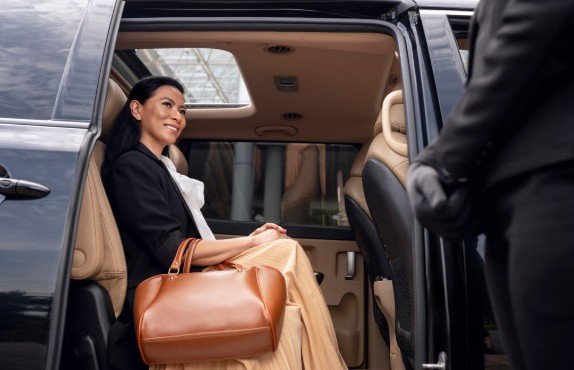
The staging of the 31st United Nations Climate Change Conference marks an extraordinary milestone for the Mediterranean province of Antalya, positioning the coastal region at the epicentre of global climate diplomacy. With heads of state, ministerial delegations, international non-governmental organisations, and corporate sustainability leaders arriving simultaneously from every continent, the demands placed upon regional transport networks are unprecedented. The operational choreography required to move thousands of accredited delegates between aviation hubs, high-security summit halls, and coastal accommodation demands an unyielding commitment to precision, discretion, and diplomatic protocol. In an arena where international negotiations unfold on strict schedules, ground transportation ceases to be a mere physical conveyance. It becomes an integral operational pillar upon which diplomatic punctuality, executive security, and global dialogue depend.
The Unprecedented Scale of the COP31 Summit in Antalya
Hosting a global diplomatic summit of this magnitude transforms the daily rhythm of the Turkish Riviera. Unlike standard seasonal tourism, which disperses international visitors across sprawling coastal resorts over relaxed timeframes, a multilateral climate conference concentrates tens of thousands of participants within precise geographical corridors and tight operational windows. Major summit plenaries, bilateral negotiations, civil society forums, and closed-door ministerial summits run concurrently across designated conference districts such as the NEST Convention Centre in Belek and regional exhibition complexes. This intensive concentration creates immense pressure on the primary coastal arteries, most notably the D400 highway and dedicated access routes connecting the airport to official security perimeters. Managing travel itineraries amidst heavy police escorts, temporary road closures, and international security cordons requires a transport methodology that anticipates systemic disruptions and possesses the operational agility to bypass bottlenecks gracefully.
For national embassies, corporate delegations, and international policy institutes, relying on uncoordinated public networks or spontaneous street taxis during COP31 represents an unacceptable operational gamble. Municipal transport cannot accommodate the complex itineraries, multiple daily stops, and strict security requirements essential for official delegates. Furthermore, spontaneous transport ranks outside the arrivals terminals become quickly overwhelmed during peak delegation arrival waves, leading to lengthy queues and severe schedule delays. Achieving uninterrupted punctuality throughout the conference requires establishing dedicated ground transport arrangements well in advance, securing specialized automotive fleets capable of navigating high-security zones with absolute authority and poise.
Diplomatic Protocol and Sovereign Delegation Movement
The movement of sovereign delegations, cabinet ministers, and high-ranking envoys is governed by stringent rules of diplomatic etiquette and ceremonial protocol. Every transition—from the exact second a dignitary steps off the aircraft to their arrival at a bilateral negotiation suite—must reflect dignified hospitality and absolute decorum. Diplomatic protocol demands vehicles that project executive authority, maintain immaculate aesthetic standards, and provide an environment conducive to intense preparatory work. Standard commercial saloon cars or brightly coloured urban taxis fail to meet these diplomatic criteria, lacking both the visual stature and the specialized cabin configurations required for high-level state representatives.
Executive minivans, predominantly long-wheelbase Mercedes-Benz Vito and V-Class platforms, represent the undisputed standard for international summit operations. These vehicles offer a commanding yet understated road presence, fitting seamlessly alongside official motorcades and diplomatic convoys. Their customized interior configurations, featuring face-to-face leather seating and acoustic isolation, enable state delegates, bilateral aides, and translators to conduct confidential briefings on the move. When navigating the sensitive terrain of international diplomacy, where a single ill-prepared arrival can undermine months of intergovernmental coordination, deploying an executive fleet that honours diplomatic standards is a foundational necessity.
Sustainable Mobility and Fleet Environmental Integrity
A climate conference dedicated to carbon reduction, ecological sustainability, and sustainable infrastructure creates a unique imperative: ground mobility solutions must align with the environmental values articulated inside the plenary halls. For corporate sponsors, sustainability directors, and national climate envoys, arriving at COP31 in outdated, high-emission vehicles creates a jarring contradiction with the very mission of the summit. Modern executive transport providers operating along the Mediterranean coast have actively met this challenge through rigorous fleet modernisations, deploying highly efficient, low-emission Euro 6 diesel platforms and exploring hybrid operational frameworks that drastically minimise the environmental footprint of each journey.
Beyond mechanical efficiency, professional transfer operators implement advanced route optimisation methodologies that curtail unnecessary idling, eliminate circuitous routing, and lower overall fuel consumption. By utilising dynamic fleet management telemetry, chauffeurs avoid high-congestion corridors, maintaining constant highway momentum that reduces tailpipe emissions while accelerating travel times. Furthermore, the practice of consolidating delegation members inside high-capacity, multi-passenger executive minivans delivers exceptional spatial efficiency. Moving six to seven senior advisers inside a single, aerodynamically refined luxury minivan displaces the need for multiple independent saloon cars, significantly reducing the carbon footprint per delegate whilst preserving absolute comfort.
Strategic Airport Coordination and AYT Fast-Track Logistics
The international gateway serving the summit is Antalya Airport, a modern aviation complex possessing dedicated domestic terminals, two expansive international terminals, and an elite General Aviation Terminal servicing private government charters and corporate aircraft. During COP31, managing arrivals across these distinct facilities requires a sophisticated operational overview. Arriving delegations frequently land under compressed schedules, necessitating an instantaneous transition from the aircraft stairs to the conference motorcade. The traditional frictions of baggage retrieval, terminal wayfinding, and vehicle coordination must be eliminated entirely through meticulous pre-arrival planning.
A professional transfer coordination team tracks inbound diplomatic flights in real-time using global aviation telemetry. Whether a scheduled commercial flight encounters European airspace delays or a state delegation aircraft touches down ahead of schedule, the assigned chauffeur is positioned at the designated protocol barriers before the cabin doors open. Chauffeurs coordinate seamlessly with airport protocol officers and fast-track terminal hosts, ensuring that delegates are greeted with personalized, discreet signage, guided through priority diplomatic customs lanes, and escorted directly to waiting vehicles in VIP commercial bays. This fluid continuity protects valuable delegation hours, allowing participants to travel from the runway to the conference floor without losing momentum.
Mobile Command Sanctuaries: Confidentiality and Connectivity on the Move
For international delegates, climate negotiators, and corporate chief executives, a summit commute along the Turkish coast is never downtime. The forty-minute transit between the airport and the conference resorts of Belek or the central urban districts is a high-value working window. Crucial draft resolutions are revised, bilateral positions are refined, and urgent press briefings are coordinated. A high-calibre antalya vip transfer transforms the interior cabin into an impenetrable mobile command centre, engineered specifically to support continuous productivity and secure communications.
The interior architecture of an elite minivan incorporates industrial-grade mobile Wi-Fi systems backed by external chassis-mounted antennas, ensuring uninterrupted high-bandwidth connectivity across coastal dead zones and congested regional telecommunication cells. Universal 220V power outlets and high-wattage USB-C ports built directly into the leather consoles keep encrypted laptops, diplomatic communications gear, and smartphones fully charged. Crucially, acoustic engineering—incorporating dense sound-dampening insulation and structural partitions—guarantees absolute speech privacy. Negotiators can conduct sensitive sovereign strategy calls, debate treaty terms, or consult with national capitals in complete confidence that their discussions remain entirely isolated from the outside world.
Multi-Venue Navigation: Connecting Belek, Kundu, and Central Venues
The geographical distribution of the COP31 summit infrastructure presents distinct navigational challenges. While major plenary debates take place within state-of-the-art exhibition centres in Belek or Aksu, bilateral working dinners, side events, and delegate accommodations are dispersed across the luxury beachfront resorts of Lara, Kundu, and Kadriye, as well as historic diplomatic venues in central Antalya. Moving delegations efficiently between these disparate coordinates throughout a fourteen-day summit requires drivers with an intimate, real-time mastery of regional geography, temporary diplomatic diversions, and restricted security access lanes.
Standard drivers and unverified navigation software often fail to account for temporary checkpoints established by national security teams, resulting in sudden reroutings and severe delays. Elite executive chauffeurs possess regional expertise honed over years of managing high-profile international events. They maintain continuous communication with dispatch dispatchers monitoring live regional traffic data and official police announcements, allowing them to bypass congested sections of the D400 highway through secondary corridors. Whether delivering an envoy to an early morning ministerial breakfast in Kundu or transferring an expert panel to an evening press briefing in Belek, the trajectory remains smooth, rapid, and predictable.
Advanced Security Standards and Chauffeur Vetting Protocols
Security is the paramount consideration when organizing transportation for international summits. In an environment hosting foreign dignitaries, international media figures, and prominent public leaders, ensuring passenger physical safety demands stringent vetting and uncompromising vehicular reliability. Casual transport networks cannot provide the verified security assurances necessary for accredited diplomatic missions.
Chauffeurs assigned to international summit logistics undergo comprehensive background checks, regular security verifications, and professional training in defensive driving techniques. They are trained to operate under high-stress traffic conditions, maintain appropriate vehicular spacing in motorcades, and recognize potential perimeter hazards. Furthermore, executive chauffeurs adhere to strict codes of non-disclosure and professional silence, respecting the confidentiality of the discussions taking place inside the cabin. The vehicles themselves undergo exhaustive technical inspections prior to deployment, ensuring that anti-lock braking systems, electronic stability controls, run-flat tyres, and active passenger restraint networks are in perfect operational condition, providing a secure physical barrier across every kilometre.
Climate Control and Environmental Isolation During Intense Negotiations
International climate negotiations are intellectually demanding and physically exhausting, often extending late into the night. Stepping from an intense, high-pressure committee room into a transport vehicle should provide an immediate sensory reset. The external climate along the southern coast, even during the cooler autumn months, can fluctuate significantly, with intense midday sunshine giving way to crisp coastal winds in the evening. Executive transport platforms feature advanced, multi-zone digital climate control systems that maintain a stable, clean interior microclimate completely isolated from external humidity and pollution.
Cabin air is continuously filtered through multi-stage pollen and particulate filtration units, removing road dust and external emissions to ensure the passenger compartment remains fresh and revitalising. Electronic refrigeration units embedded into the cabin cabinetry are stocked with chilled glass-bottled mineral waters and healthy refreshments, allowing delegates to rehydrate instantly and restore physical stamina between demanding negotiating sessions. Reclining in ergonomically contoured, top-grain Nappa leather captain chairs with tailored lumbar support relieves the physical strain caused by long hours in formal plenary seating, ensuring that participants arrive at their next engagement physically restored and mentally sharp.
Corporate Invoicing, Diplomatic Contracts, and Fleet Scalability
Managing the operational logistics for an international delegation requires commercial transparency, comprehensive contract documentation, and scalable vehicle capacity. Sovereign embassies, non-governmental delegations, and corporate entities operate under strict procurement guidelines and budget oversight, necessitating clear, consolidated invoicing rather than fragmented, variable cash receipts from street taxis. Executive transfer companies provide transparent corporate billing structures with fixed rates, detailed journey logs, and all-inclusive pricing that covers highway tolls, parking access fees, and chauffeur service hours.
Moreover, delegation schedules during a major UN summit are inherently volatile; negotiating sessions may run hours past their planned conclusion, requiring vehicles to remain on standby throughout the night, or sudden bilateral agreements may demand additional vehicles at short notice. Professional transport networks maintain deep fleet reserves and dedicated dispatch managers assigned directly to individual delegations. This scalable capability guarantees that whether a mission requires a single dedicated Mercedes-Benz Vito on 24-hour call or an entire coordinated convoy of executive minivans to transport an eighty-person advisory board, the logistics are executed with flawless professional reliability.
Securing Diplomatic Success Across Every Mile
The success of an international delegation at the COP31 Climate Summit is measured by treaties negotiated, agreements signed, and partnerships forged. Yet beneath these high-level accomplishments lies an invisible, vital foundation of ground logistics that ensures every diplomat, scientist, and executive arrives at their appointed hour, safe, refreshed, and prepared to lead. By entrusting summit mobility to dedicated executive transfer specialists, international organisations eliminate the risks of transport delays, protect sensitive communications, and establish a standard of mobility that mirrors the dignity of global diplomacy. In the historic setting of Antalya, where the future of international climate policy is shaped, executive VIP transport stands as an indispensable partner in the pursuit of seamless global dialogue.