International travel, while intellectually stimulating and culturally enriching, imposes a profound physiological burden upon the human body. For individuals journeying to the Mediterranean coast, the transition involves crossing multiple time zones, enduring prolonged periods of immobility, and adjusting to significant shifts in atmospheric pressure and climate. This combination of stressors inevitably results in a complex physiological state commonly referred to as travel fatigue, characterised by deep muscular stiffness, circulatory sluggishness, cognitive fog, and disrupted circadian rhythms. While the aviation industry focuses on in-flight comfort, the critical period for mitigating these physiological effects occurs immediately upon landing. The transit from the airport to the accommodation represents a vital window for physical recovery. By implementing targeted physiological strategies and securing an optimised ground transport environment, travellers can actively reverse the physical toll of their journey, ensuring they arrive at their destination fully revitalised.
The Physiology of Prolonged Immobility
To effectively combat travel fatigue, it is essential to understand the biological mechanisms at play. The human body is fundamentally designed for continuous movement. When subjected to the restricted confines of a commercial aircraft cabin for several hours, the musculoskeletal system is forced into static, unnatural postures. This lack of movement severely impedes venous return—the flow of blood back to the heart—leading to fluid pooling in the lower extremities. This venous stasis is the primary cause of the deep-seated stiffness and swelling experienced in the legs and feet upon disembarkation. Furthermore, static postures cause the major muscle groups, particularly the hip flexors, hamstrings, and lower lumbar region, to contract and shorten, resulting in pronounced lower back pain and restricted mobility. Addressing this stiffness requires immediate, structured physical intervention the moment the traveller reaches the ground.
Ergonomic Intervention in Ground Transit
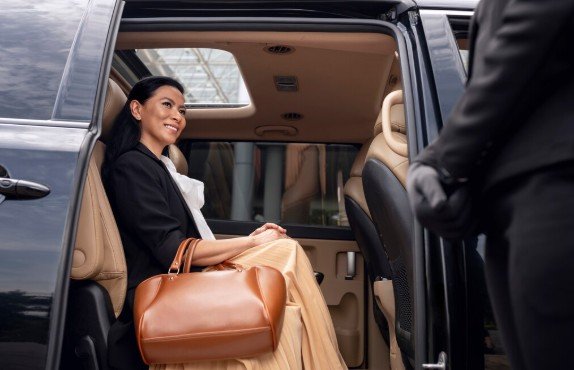
The most immediate and effective method for counteracting muscular contraction is securing an ergonomically superior transit environment. Standard airport taxis and communal shuttle buses fail completely in this regard, offering rigid, unsupportive seating that forces the traveller back into the same detrimental postures they endured during the flight. Conversely, securing a premium vip service antalya airport provides a therapeutic structural shift. Executive minivans replace standard seating with highly engineered, orthopaedic captain’s chairs. These seats feature dynamic lumbar support systems that actively decompress the lower spine, alongside extensive legroom that allows for full lower-limb extension. This ability to fully extend the legs is crucial; it facilitates venous return, reduces swelling, and allows the shortened muscle groups to gently elongate and relax during the highway commute.
Combating Hypoxia and Dehydration
The atmospheric conditions within a commercial aircraft cabin significantly contribute to systemic travel fatigue. Cabin air is pressurised to an equivalent altitude of approximately 6,000 to 8,000 feet, resulting in mild hypoxia—a reduction in oxygen saturation within the bloodstream. This hypoxic state contributes heavily to the cognitive fog and lethargy experienced post-flight. Additionally, the humidity level inside an aircraft is maintained at less than twenty percent, a hyper-arid environment that accelerates transepidermal water loss and internal dehydration. Dehydration directly impairs muscle function, exacerbates stiffness, and impedes the body’s ability to flush out metabolic waste products accumulated during the period of immobility. Immediate, targeted hydration is non-negotiable for physiological recovery.
Gastronomic Rehydration Protocols
Attempting to rehydrate in the chaotic public concourse of an airport is often inconvenient and stressful. A meticulously planned arrival strategy incorporates rehydration directly into the ground transit phase. Elite executive vehicles are equipped with integrated electronic refrigeration units, pre-stocked with a curated selection of premium, glass-bottled mineral waters rich in essential electrolytes. This immediate access to high-quality hydration allows the traveller to begin replenishing cellular fluid levels the exact second they enter the vehicle. Furthermore, the provision of organic, cold-pressed citrus juices provides a natural, low-glycemic energy boost, delivering essential vitamins to the depleted immune system while avoiding the inflammatory spikes associated with refined sugars and highly caffeinated beverages commonly consumed during transit.
Thermoregulation and Microclimate Control
The human body expends significant metabolic energy attempting to maintain core temperature stability (thermoregulation). The sudden transition from an air-conditioned terminal into the intense thermal load of the Mediterranean summer forces the cardiovascular system to work exponentially harder to cool the body, accelerating physical exhaustion and contributing to post-travel swelling. Standard vehicles, particularly those operating in heavy traffic, often struggle to maintain a stable internal temperature, subjecting the passenger to uncomfortable thermal fluctuations. Premium private transfers resolve this physiological stressor through advanced, multi-zone digital climate control networks. These systems are actively engaged prior to the passenger’s arrival, creating a perfectly chilled, stable microclimate. By maintaining a crisp, cool environment (ideally between 20-22 degrees Celsius), the vehicle effectively removes the burden of thermoregulation from the passenger, allowing the cardiovascular system to relax and focus on circulatory recovery.
Acoustic Isolation and Neurological Decompression
Travel fatigue is not solely a physical phenomenon; it is equally driven by neurological exhaustion. The continuous sensory bombardment of a journey—the roar of jet engines, public announcements, and navigating dense crowds—places the central nervous system in a sustained state of hyper-arousal. This elevated cortisol production prevents the body from entering a restorative, parasympathetic state. Continuing this sensory assault in a noisy, vibrating street taxi completely inhibits neurological recovery. High-specification executive minivans utilise extensive aftermarket acoustic soundproofing and reinforced multi-pane glass to create an environment of profound silence. This absolute acoustic isolation acts as a sensory deprivation chamber, allowing the nervous system to actively decompress, lowering heart rates, reducing cortisol levels, and facilitating a deep, restorative mental rest.
Tactile Therapy and Somatosensory Comfort
The somatosensory system—the network of neural structures responsible for the perception of touch, pressure, and temperature—plays a vital role in psychological comfort. Interacting with abrasive or uncomfortable materials heightens physical tension. A luxury transit environment deliberately manipulates tactile feedback to promote relaxation. The suppleness of top-grain Nappa leather seating, the plush thickness of acoustic carpeting, and the provision of chilled, pure cotton hand towels provide soothing, high-quality sensory inputs. Cleansing the face and hands with an ice-cold towel infused with natural mint or rose water delivers an immediate, invigorating shock to the parasympathetic nervous system, instantly refreshing the traveller and shedding the physical grime of the journey.
Strategic Circadian Alignment
For travellers crossing multiple time zones, the disruption of the circadian rhythm (jet lag) is the most persistent consequence of international aviation. Managing light exposure is the primary physiological method for accelerating circadian realignment. A premium ground transfer vehicle offers sophisticated optical control. If a passenger arrives during the day and needs to remain awake to synchronise with local time, the expansive panoramic windows and bright, ambient LED lighting can be utilised to stimulate alertness. Conversely, if arriving late at night or requiring immediate rest, the vehicle’s automated privacy curtains and darkened, acoustic interior provide an optimal environment for sleep, shielding the traveller from the disruptive glare of external highway infrastructure and allowing the brain to initiate vital melatonin production.
Conclusion: Engineering the Perfect Recovery
Ultimately, minimising travel fatigue and muscular stiffness requires a proactive, scientifically informed approach to ground transit. The journey from the airport must be viewed not merely as a geographical commute, but as a critical physiological recovery phase. By rejecting the physical compromises of standard public transport and securing a dedicated, ergonomically advanced, and environmentally controlled executive vehicle, travellers construct an ironclad shield against post-flight exhaustion. This strategic investment in physical well-being ensures that the negative physiological impacts of aviation are actively reversed upon landing, allowing you to commence your Mediterranean vacation in a state of absolute physical vitality, mental clarity, and profound comfort.