The contemporary definition of luxury within the global travel and hospitality sector has evolved significantly over the past decade. It is no longer sufficient to merely provide opulent aesthetics, grand architectural statements, or expensive materials. For the discerning international traveller, true luxury is increasingly defined by the invisible architecture of service—the meticulous execution of micro-details that anticipate needs before they are articulated. When voyagers land on the sun-drenched shores of the Mediterranean, they arrive with high expectations, seeking a seamless transition from their demanding daily lives into a state of absolute relaxation. The standard of a five-star holiday is not established when the guest walks into their hotel suite; it is firmly anchored the precise second they cross the threshold of the airport terminal. In this highly competitive environment, understanding and implementing the micro-details of passenger care is what distinctly separates standard premium transit from genuine, world-class hospitality.
Anticipatory Service vs. Reactive Problem Solving
At the very foundation of elite hospitality lies the philosophy of anticipatory care. Standard transport models operate on a reactive framework: a passenger arrives, searches for a vehicle, requests a destination, and the driver reacts. This model inherently places the logistical burden on the traveller, generating cognitive friction at a time when they are most vulnerable to travel fatigue. Conversely, a luxury service resolves potential friction points before the guest even recognises them. This begins with dynamic, real-time flight tracking. Rather than relying on the passenger to communicate delays, an elite operations centre monitors aviation telemetrics, automatically adjusting the chauffeur’s dispatch schedule to synchronise perfectly with the aircraft’s actual touchdown. The guest arrives to find their transition already fully orchestrated, removing all necessity for decision-making and allowing them to immediately surrender the burden of logistics to seasoned professionals.
The Engineering of a Private Mobile Lounge
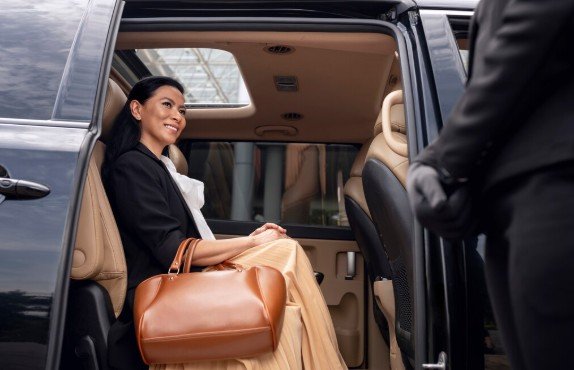
The physical space in which the initial phase of the journey takes place is a critical component of the overall sensory experience. A standard taxi is simply a mechanism for geographical movement, whereas a premium vehicle must function as an immersive, restorative environment. By securing a high-calibre vip service antalya airport, travellers ensure their transition is conducted within a specialised executive minivan. These vehicles are meticulously engineered to prioritise expansive personal space. The interior architecture removes standard factory seating in favour of ergonomic, top-grain leather captain’s chairs. This structural shift transforms a cramped commute into a spacious mobile lounge, allowing passengers to stretch their legs, recline comfortably, and physically decompress after enduring the restricted confines of a commercial aircraft cabin.
Tactile Craftsmanship and the Importance of Touch
Human perception of quality is deeply influenced by tactile feedback. The materials that a guest interacts with inside a vehicle send immediate neurological signals regarding the standard of care they are receiving. Hard plastics, synthetic fabrics, and abrasive surfaces contribute to a feeling of utilitarian transit. In stark contrast, a luxury vehicle surrounds the passenger with premium, authentic materials. The suppleness of the Nappa leather seating, the smooth finish of the polished timber accents, and the heavy, solid feel of the electronic sliding doors all communicate an uncompromising dedication to craftsmanship. Even the micro-amenities are curated for tactile pleasure; providing passengers with chilled, pure cotton hand towels rather than synthetic wipes offers a moment of genuine refreshment, allowing them to gently cleanse away the physical residue of international travel.
Olfactory Architecture and Environmental Purity
The olfactory environment is perhaps the most frequently overlooked dimension of passenger comfort, yet it holds immense power over human memory and emotional regulation. Standard transport vehicles frequently suffer from sensory pollution, characterised by the lingering odours of harsh chemical cleaning agents, synthetic air fresheners, or the faint scent of diesel exhaust. These invisible irritants can exacerbate travel-induced headaches and nausea. An elite transport provider actively manages the cabin’s olfactory architecture. Advanced active carbon air filtration systems are utilised to continuously scrub the interior air, removing dust, allergens, and external pollutants. Furthermore, the subtle introduction of bespoke aromatherapy—utilising natural, organic essential oils such as Mediterranean citrus, calming lavender, or grounding cedarwood—creates a soothing, pure atmosphere that actively lowers cortisol levels and calms the nervous system.
The Psychological Impact of Absolute Acoustic Isolation
Following a long-haul flight characterised by the continuous hum of jet engines and the chaotic noise of bustling terminal concourses, the traveller’s auditory system is thoroughly exhausted. Entering a standard vehicle introduces new auditory stressors: the aggressive roar of highway traffic, the vibration of the chassis, and the friction of tyres on asphalt. True luxury necessitates the provision of absolute silence. High-specification executive minivans achieve this through rigorous aftermarket acoustic engineering. Dense sound-dampening materials are integrated directly into the internal body panels, whilst multi-pane acoustic glass shields the cabin from external noise. The result is a library-quiet sanctuary. This profound silence is a crucial micro-detail; it affords passengers the luxury of speaking in hushed tones, listening to a curated musical playlist with flawless clarity, or simply closing their eyes and resting without interruption.
Mastering the Microclimate: Dynamic Temperature Control
The transition from a climate-controlled aircraft to the intense thermal heat and humidity of the Mediterranean summer presents a severe physical shock to the human body. Older fleet vehicles or standard municipal cabs often possess rudimentary air conditioning units that blast freezing air unevenly, leaving some passengers shivering whilst others remain uncomfortably warm. Exceptional service dictates the mastery of the internal microclimate. Executive vehicles feature sophisticated, multi-zone digital climate control networks that operate entirely independently from the driver’s front compartment. The chauffeur proactively engages this system long before the guests arrive, ensuring the cabin is filled with crisp, perfectly chilled, and evenly distributed air. This proactive thermal management allows the passengers’ core body temperatures to stabilise immediately upon entry, preventing the physical exhaustion associated with heat exposure.
The Emotional Intelligence of the Modern Executive Chauffeur
While the mechanical and sensory details of the vehicle are vital, the ultimate differentiator in luxury hospitality is the human element. The individual behind the steering wheel must possess a high degree of emotional intelligence. A standard driver focuses solely on navigating from point A to point B. An executive chauffeur, however, acts as a highly trained hospitality ambassador. They must be adept at reading the room; they recognise when a travel-weary family desires absolute silence, and they know exactly when to offer polite, insightful local knowledge to an inquisitive guest. Their driving style is inherently defensive and flawlessly smooth, deliberately avoiding sharp braking or aggressive acceleration to ensure the passenger never feels a moment of physical tension or anxiety. This invisible professionalism is the bedrock of a trusted service.
Gastronomic Rehydration and Anticipatory Refreshments
Air travel inherently causes mild physical dehydration, leaving passengers feeling lethargic upon arrival. Recognising and addressing this physiological need before the guest has to ask is a hallmark of anticipatory service. Within the custom cabinetry of a premium vehicle, guests should discover built-in electronic refrigeration units. These are not merely stocked with generic plastic water bottles, but with premium, glass-bottled mineral waters and a selection of refreshing, locally sourced organic juices. Offering these high-quality refreshments immediately upon boarding demonstrates a profound level of care for the guest’s physical well-being, facilitating instant gastronomic rehydration and significantly boosting energy levels for the onward journey.
Choreographing the Final Handover at the Destination
The narrative of a flawless arrival can be instantly ruined if the final moments of the journey are handled clumsily. A standard taxi drop-off typically involves the driver remaining seated while the passengers struggle to extract their heavy luggage onto the pavement. In the realm of luxury hospitality, the final handover is meticulously choreographed. The chauffeur coordinates their arrival directly with the resort’s concierge or private villa staff. Upon pulling up to the entrance, the chauffeur manages the transition entirely, carefully extracting every piece of designer luggage from the secure cargo hold and transferring it directly to the hotel’s porter team. The guests are left entirely unburdened, free to walk straight to the check-in desk with dignity and grace.
Conclusion: The Cumulative Effect of Executed Micro-Details
In isolation, a chilled hand towel, a perfectly silent cabin, or a flawlessly smooth driving manoeuvre may seem like minor aspects of a broader journey. However, when these micro-details are woven together and executed with unwavering consistency, they produce a cumulative effect that is profoundly transformative. They construct an ironclad shield of comfort, safety, and sophistication that protects the traveller from the inherent frictions of international movement. By obsessing over these invisible nuances, a premium ground transit service ceases to be a mere logistical necessity and elevates itself into a memorable, restorative, and integral component of the Mediterranean holiday experience. It is the mastery of the micro-details that ultimately defines the true essence of luxury hospitality.